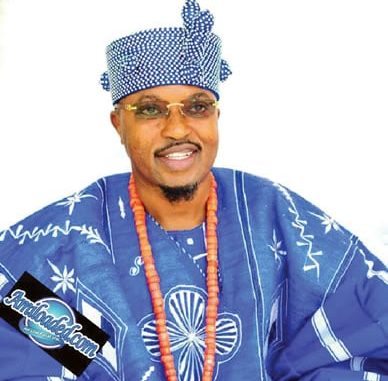
Oba Abdulrasheed Adewale Akanbi, popularly known as Telu I or Ilufemiloye, is the 16th Oluwo of Iwo in Osun State, Nigeria. A first-class traditional ruler in Yorubaland, he has drawn widespread attention for his progressive style, strong personal convictions, international background, and occasional controversies since ascending the throne. This biography covers his early life, education, career, reign, family, and other key details in an easy-to-follow format.
Early Life and Family Background
Abdulrasheed Adewale Akanbi was born on 21 June 1967 in Iwo, Osun State, to the family of the late Prince Kola (Kolawole Adeyemi) Akanbi of the Gbaase Ruling House, specifically the Molasan Compound. His mother was Sikirat Akanbi. The Gbaase Ruling House is one of the principal houses eligible to produce the Oluwo of Iwo.
Growing up in a royal lineage, young Adewale experienced both traditional expectations and personal challenges. Reports from interviews describe an adventurous childhood and later periods of difficulty, including time spent away from Iwo. He has spoken of formative experiences that shaped his outlook long before he became king.
As of mid-2026, Oba Akanbi is 59 years old.
Education
His formal education began at Omolewa Nursery and Primary School in Oritamefa, Ibadan, between 1972 and 1978. For secondary school, he attended Iwo Grammar School in Araromi, Iwo, and later Oba Akinyele Memorial High School in Idi-Ape, Ibadan, completing his studies around 1983.
He obtained a National Diploma in Mass Communication from The Polytechnic, Ibadan, in 1987. Later, while living abroad, he pursued further studies in Canada. These included certificates in systems and operations (including oil and gas facilities) and a Bachelor of Science in Business Administration from George Brown College in Toronto, Ontario, completed around 2009. He is also reported to speak Yoruba, English, French, and German.
Career Before the Throne
Before becoming Oluwo, Akanbi lived and worked in Europe and North America. He spent time in Germany as a data processor with Bio-skin GMBH in Hamburg. He later moved to Canada, where he worked as an International Development Analyst with Oxfam Canada, supporting relief efforts in war- and disaster-affected regions. He also held roles such as associate supervisor and ran businesses.
He served as Chief Executive Officer of Prince Enterprises in Toronto and founded People Against Loneliness Inc., an organization focused on social support. He has been linked to other ventures, including coordination roles involving technology and, later, as managing director of Morganz Gamo Quarry in the Ibadan area. These experiences gave him a broad international perspective that he has often referenced in discussions about developing Iwo.
Ascension as the 16th Oluwo of Iwo
Following the passing of his predecessor, Oba Asiru Olatunbosun Tadese, the kingmakers selected Prince Adewale Akanbi from the Gbaase Ruling House. The Osun State government approved his appointment, and he was installed as the 16th Oluwo of Iwo on 9 November 2015. His formal coronation took place on 16 January 2016.
He returned to Nigeria after many years abroad to take up the throne. In interviews, he has described the process as challenging and divinely guided, noting that he had limited local political networks at the time.
Reign, Style, and Notable Actions
As Oluwo, Oba Akanbi has presented himself as a modern, outspoken traditional ruler. He oversees a domain that includes numerous subordinate traditional rulers and has emphasized infrastructure, education, youth empowerment, and raising the profile of Iwo. He has spoken about transforming the town’s visibility and fortunes compared with earlier periods.
Key elements of his reign include a strong commitment to Islam and a rejection of traditional idol worship. He has publicly stated that he removed an ancient deity from the palace and does not participate in certain rites involving lesser gods, arguing that a king should answer only to God. This stance, along with leading public prayers on occasion, generated debate among traditionalists and some religious figures.
He has promoted cultural updates and international engagement. In 2018, he issued an apology on behalf of traditional royal families for their historical role in the Atlantic slave trade. In May 2024, he joined the Obi of Onitsha in bestowing chieftaincy titles on Meghan, Duchess of Sussex, during her visit to Nigeria (Ada Mazi and Adetokunbo). He has also conferred titles on other public figures and marked milestones such as his tenth coronation anniversary, which drew recognition from political leaders.
His personal style—marked by fashionable attire, luxury vehicles, and a willingness to challenge conventions—has earned him nicknames and both admiration and criticism. He has referred to himself in expansive terms at times and has clashed publicly with other traditional rulers, leading to temporary suspensions from council activities in the past. Supporters praise his energy and development focus; critics question some of his methods and statements.
Wife and Children
Oba Akanbi has been married twice.
His first marriage was to Chanel Chin, a Jamaican-Canadian model and entrepreneur (daughter of reggae artiste Ludlow “Bobo Zaro” Chin). They met before or around the time of his ascension and had a son, Prince Oduduwa, born in 2016 in Canada. The marriage ended in divorce in December 2019 amid public statements from both sides. Later public exchanges between the former couple have included mutual accusations regarding support for their son and other matters.
In March 2022, he married Princess Firdaus Abdullahi (also referred to as Firdaus or Firdauz), a member of the Kano royal family. She is the daughter of the late Madakin Kano, Alhaji Abdullahi Sarki Sani Yola, and a granddaughter of the late Emir of Kano, Alhaji Ado Bayero. The wedding took place in Kano. Oba Akanbi later crowned her in a public ceremony, consistent with his view that queens deserve visible recognition. The couple welcomed a daughter in March 2023. She was named Princess Luwo Adewumi Sultana Fatimoh Grace, with “Luwo” honoring Luwo Gbagida, the only female Olofin Adimula of Ile-Ife and mother of the founder of Iwo.
The current queen has spoken positively about their relationship and life in the palace. The family maintains a degree of privacy around personal details beyond these public announcements.
Net Worth
Exact figures for Oba Abdulrasheed Akanbi’s net worth are not publicly verified or officially disclosed. Estimates circulating online often place him in the multimillion-naira or dollar range, based on reported business interests (including the quarry and earlier Canadian enterprises), royal position, and a lifestyle that has included high-end vehicles. Traditional rulers in Nigeria derive income and influence from a mix of private assets, community resources, and official roles, but precise personal wealth remains private. Claims of specific large sums should be treated with caution due to the lack of audited public financial disclosures.
Wiki-Style Quick Facts
- Full name: Abdulrasheed Adewale Akanbi
- Title: 16th Oluwo of Iwo (Telu I)
- Born: 21 June 1967, Iwo, Osun State
- Age: 59 (as of 2026)
- Ruling house: Gbaase (Molasan Compound)
- Religion: Islam
- Education: National Diploma (Mass Communication), BSc Business Administration, additional certificates
- Previous careers: Business, development work, quarry management
- Wives: Chanel Chin (divorced); Princess Firdaus Abdullahi
- Children: Prince Oduduwa; Princess Luwo Adewumi Sultana Fatimoh Grace
- Ascended throne: November 2015 (coronation January 2016)
Legacy and Public Perception
Oba Abdulrasheed Akanbi remains one of the more visible and discussed traditional rulers in contemporary Nigeria. His combination of international experience, Islamic faith, rejection of certain traditional practices, focus on development, and distinctive public persona has made him a polarizing yet influential figure. Admirers highlight his efforts to modernize perceptions of the monarchy and put Iwo on a larger map. Others debate the boundaries of tradition under his leadership.
As with many public figures in traditional institutions, his story continues to evolve through community work, cultural statements, family life, and ongoing engagement with both local and national issues. This overview draws from publicly reported biographical details, interviews, and records available up to 2026.

Henry Jude writes about biotechnology and housing technology, focusing on the latest trends. He has 15 years of experience reporting on and analyzing advances in these fields. Holding both a BSc and an MSc in Biotechnology, he uses his scientific training to explain complex ideas clearly and show how new technologies can be applied in real life.